

Introduction
Hospitals play a critical role in society, providing essential healthcare services to individuals in need. In order to operate effectively and ensure the well-being of patients, hospitals rely heavily on a continuous and reliable power supply. Power outages can have serious consequences in a healthcare setting, potentially endangering the lives of patients, disrupting critical medical equipment, and hampering the ability of medical staff to provide care.
Given the vital importance of uninterrupted power supply in hospitals, many healthcare facilities around the world have invested in backup power systems, with diesel generators being a popular choice. In this article, we will explore the role of diesel generators in ensuring a reliable power supply for hospitals, examining their benefits, considerations for installation, maintenance requirements, and the importance of having a comprehensive backup power plan in place.
Importance of Reliable Power Supply in Hospitals
Hospitals are complex environments that require a constant and uninterrupted power supply to support a wide range of critical functions. Medical equipment such as ventilators, heart monitors, dialysis machines, and surgical tools all rely on electricity to operate effectively. In addition, essential hospital systems such as lighting, heating, air conditioning, and communication systems are also dependent on a reliable power source.
During power outages, hospitals face significant challenges in maintaining patient care and safety. Without electricity, medical equipment may malfunction, surgeries may be interrupted, and patient care may be compromised. Moreover, in emergency situations such as natural disasters or public health crises, hospitals must be able to continue operating at full capacity to provide essential medical services to the community.
Given these considerations, hospitals must have robust backup power systems in place to ensure continuity of care and minimize disruptions during power outages. Diesel generators are a popular choice for hospitals due to their reliability, efficiency, and ability to provide backup power for extended periods of time.
Benefits of Diesel Generators for Hospitals
Diesel generators offer several key advantages that make them well-suited for providing backup power to hospitals:
1. Reliability: Diesel generators are known for their reliability and durability, making them a dependable source of backup power for hospitals. Unlike other types of generators, diesel generators require minimal maintenance and have a long lifespan, ensuring that they can be relied upon during emergencies.
2. Fuel Efficiency: Diesel generators are more fuel-efficient than gasoline generators, providing cost-effective backup power for hospitals. Diesel fuel is also more readily available than gasoline, making it easier for hospitals to maintain a supply of fuel for their generators.
3. Power Output: Diesel generators are capable of producing high levels of power, making them suitable for hospitals with high energy demands. Whether powering critical medical equipment or maintaining essential hospital systems, diesel generators can meet the power requirements of healthcare facilities.
4. Quick Start-Up Time: Diesel generators have a quick start-up time, allowing hospitals to restore power rapidly in the event of an outage. This is crucial for ensuring continuity of care and minimizing disruptions to hospital operations.
Considerations for Diesel Generator Installation in Hospitals
When installing diesel generators in hospitals, several key considerations must be taken into account to ensure optimal performance and safety:
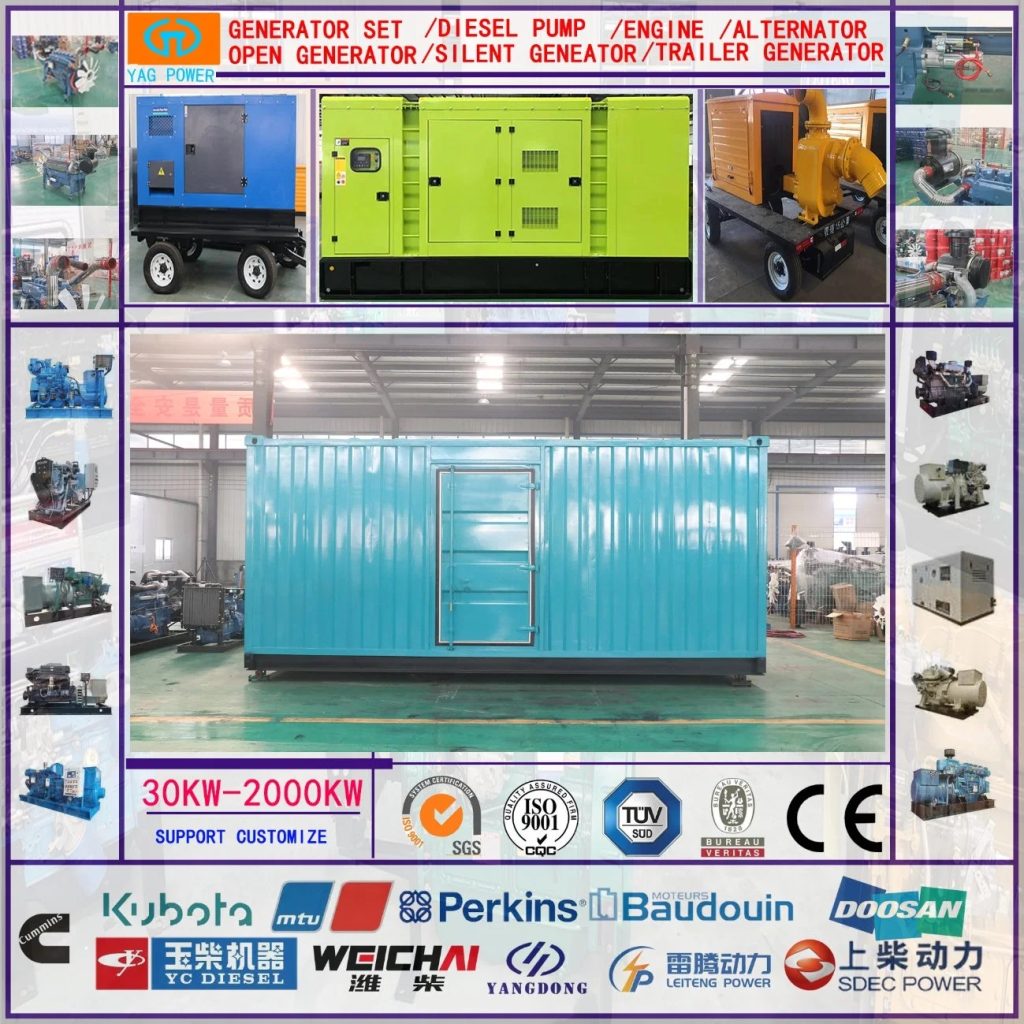
1. Sizing: The size of the diesel generator should be carefully matched to the power requirements of the hospital. Hospitals must conduct a thorough assessment of their energy needs to determine the appropriate generator size that can support critical functions during power outages.
2. Location: Diesel generators should be installed in a well-ventilated area with adequate clearance for exhaust fumes. Hospitals must comply with local regulations and safety standards when determining the placement of diesel generators to prevent potential hazards.
3. Fuel Supply: Hospitals must establish a reliable source of diesel fuel for their generators and implement a fuel management plan to ensure a continuous supply during emergencies. Regular fuel testing and maintenance are essential to prevent fuel degradation and ensure the reliability of the generator.
4. Maintenance: Regular maintenance and servicing of diesel generators are crucial to ensure their optimal performance and longevity. Hospitals should establish a maintenance schedule and work with qualified technicians to inspect and service the generators as needed.
5. Testing and Monitoring: Hospitals must conduct regular testing of diesel generators to verify their functionality and performance. Routine load testing, fuel level checks, and monitoring of generator parameters are essential to identify any issues and address them promptly.
Importance of Backup Power Plan for Hospitals
In addition to installing diesel generators, hospitals must develop a comprehensive backup power plan to address power outages and emergencies effectively. A well-designed backup power plan should include the following components:
1. Risk Assessment: Hospitals must conduct a thorough risk assessment to identify potential sources of power outages and vulnerabilities in their electrical systems. Understanding the risks allows hospitals to implement targeted strategies to mitigate the impact of power interruptions.
2. Emergency Preparedness: Hospitals should establish protocols and procedures for responding to power outages and emergencies. Staff training, communication plans, and emergency response drills are essential components of an effective emergency preparedness strategy.
3. Redundancy: Hospitals should implement redundant systems and backup measures to ensure continuity of care during power outages. In addition to diesel generators, hospitals may consider alternative power sources such as battery backups or renewable energy systems to further enhance their resilience.
4. Monitoring and Reporting: Hospitals should implement monitoring systems to track the performance of diesel generators and detect any issues proactively. Real-time monitoring of generator parameters, fuel levels, and power output can help hospitals identify problems early and take corrective action promptly.
5. Coordination with Utility Providers: Hospitals should establish communication channels with utility providers to receive timely updates on power outages and restoration efforts. Collaborating with utility companies can help hospitals better coordinate their response to outages and minimize disruptions to patient care.
Conclusion
Diesel generators play a critical role in ensuring a reliable power supply for hospitals, enabling healthcare facilities to maintain essential services during power outages and emergencies. With their reliability, efficiency, and high power output, diesel generators are well-suited for meeting the energy needs of hospitals and supporting critical medical functions.
By carefully considering factors such as sizing, installation, maintenance, and monitoring, hospitals can optimize the performance of diesel generators and enhance their resilience to power outages. Developing a comprehensive backup power plan that includes diesel generators as a key component is essential for hospitals to mitigate the impact of power interruptions and safeguard patient care.
Ultimately, investing in diesel generators and implementing a robust backup power strategy are essential steps for hospitals to uphold their commitment to providing high-quality healthcare services and ensuring the safety and well-being of patients. In an ever-changing healthcare landscape, reliable power supply remains a cornerstone of hospital operations, and diesel generators play a vital role in supporting this critical infrastructure.